In a nutshell
- 🧪 Rubber bands add micro-ridges that break surface tension, boosting friction to create a DIY squeegee effect for precise, one-swipe clean-ups.
- 🧽 Simple setups—banded sponge, ribbed microfibre cloth, and jar‑rim squeegee—channel liquid into neat beads, protecting desks, worktops, and car interiors with one-swipe control.
- 📏 Choose materials and sizes by spill: natural rubber grips oily films; silicone glides on glass; narrow bands for thin liquids, wide for sauces—match to viscosity for best results and low cost.
- 🧼 Prioritise hygiene: rinse after use, dishwasher-safe for silicone, colour-code to prevent cross-contamination, and opt for latex-free bands where allergies are a concern.
- 🌱 Embrace waste reduction and cost savings: fewer paper towels and sprays needed, with mixed packs of bands lasting months for a durable, eco-minded routine.
Spills happen. Tea, soup, smoothie, the dog bowl you nudged with your ankle. The quicker you corral the liquid, the less it stains, spreads, or smells. Enter a humble hero: the rubber band. Wrap a few around a sponge, cloth, or even the rim of a jar, and you instantly add grip, pressure points, and tiny channels that guide liquid where you want it. It’s a tiny tweak that creates a big difference. One elastic loop can turn a sloppy wipe into a precise swipe. This is the hands-on trick UK cleaners, baristas, and parents are quietly using every day.
The Science Behind a Cleaner Swipe
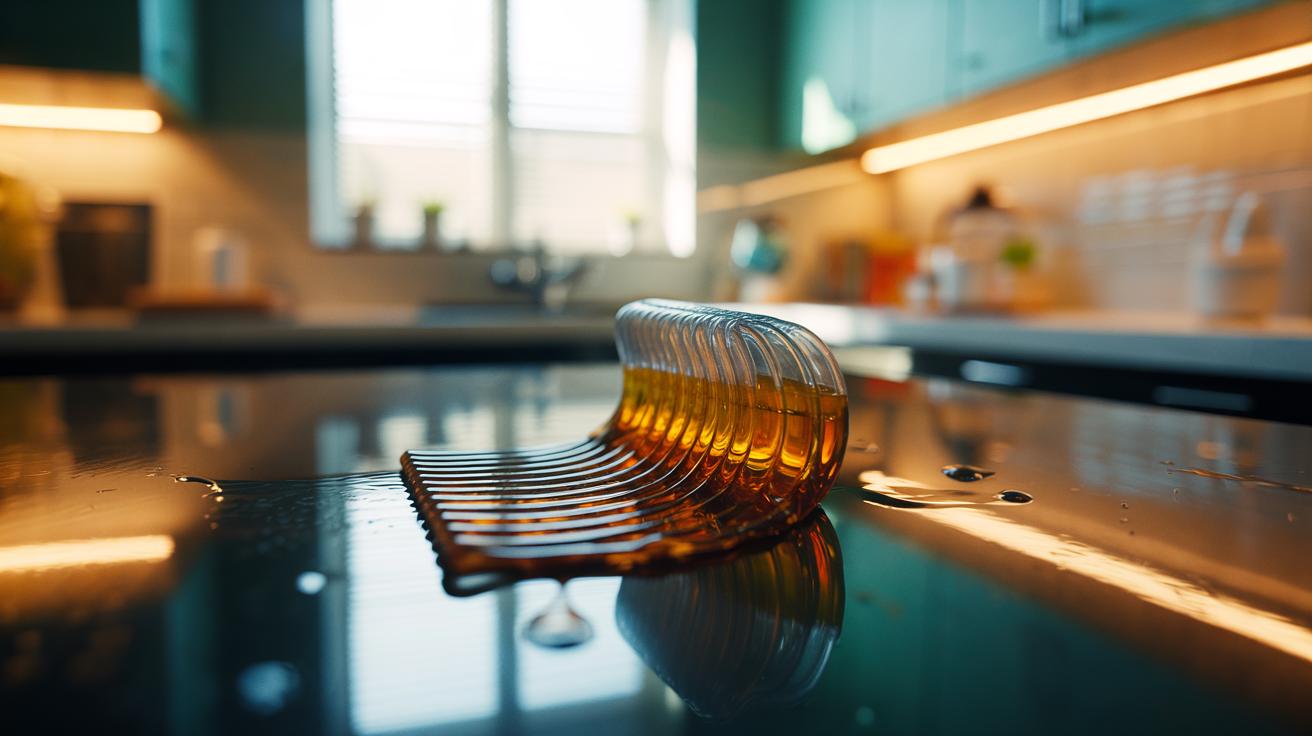
Why does a strip of elastic make wiping faster? It’s physics, not magic. Rubber bands add micro-ridges that concentrate pressure. Instead of a cloth gliding over a glossy worktop and smearing coffee, the ridges break surface tension, spoon the liquid into a line, and move it forward. You’re creating a miniature squeegee effect, but with items already in your drawer. The result is a more controlled first pass. Less back-and-forth. Less waste. Targeted pressure is the secret to one-swipe cleaning.
There’s more. Those ridges also boost friction. A plain microfibre can skate on wet granite; banded edges bite into the film and keep the cloth from hydroplaning. If the spill is oily, the tackiness of natural rubber helps pluck up droplets that would otherwise smear. On the flip side, smooth silicone bands keep channels neat, steering thin liquids—water, lager, tonic—into a clean roll that you can flick into a sink or tray.
Viscosity matters. Thicker sauces benefit from wider bands spaced further apart, creating broader lanes. Thin drinks prefer narrower bands closer together. Either way, you are shaping the flow. Control the flow, control the clean.
Quick Set-Ups for Kitchens, Desks, and Cars
Start with the banded sponge. Wrap two or three rubber bands around the narrow end of a sponge, spacing them 3–5 mm apart. Run that end in a single, firm stroke through a puddle. You’ll see a clean, dry track behind it, and a neat bead of liquid you can push towards a sink lip or a dustpan. For a bigger mess, add a fourth band or press slightly harder to deepen the channel.
Next, the cloth with ribs. Fold a microfibre into quarters to make a stiff pad. Slide three bands around its middle so they form parallel ribs. Use the ribbed edge to “plough” through tea, milk, or cola, then switch to the plain side to finish. This hack shines on dining tables and desks where one pass keeps papers and chargers safe. Switching edges lets you collect first, then polish.
Try the jar-rim squeegee for delicate jobs. Stretch a band around the rim of a clean jam jar or plastic tub. Tilt the rim to the worktop and drag—perfect for herding spills off chopping boards without soaking a tea towel. In the car, a banded windscreen squeegee or even a card wrapped with two bands will tidy condensation or coffee drips instantly. For floors, put bands around the end of a dustpan or a flat mop head to stop liquid sneaking underneath, then sweep to a drain or a towel. Small tweaks. Big control.
What Works Best: Materials, Sizes, and Costs
Not all elastics are equal. Natural rubber grips brilliantly and excels on greasy or textured surfaces but can perish with heat or sunlight. Silicone bands last longer, tolerate hot washes, and slip softly across glass and stone, creating tidy liquid lanes. Width counts too: 3–5 mm for thin spills; 8–12 mm for sauce and soup. Keep a small tin of mixed sizes near the sink and another in the glovebox. It’s the cheapest cleaning upgrade you’ll buy this year. A few pence of rubber can replace a cupboard of specialised wipes.
| Spill Type | Band Material | Placement | Key Benefit | Typical Cost (UK) |
|---|---|---|---|---|
| Water, tea, lager | Silicone, narrow | Edge of sponge/cloth | Clean, straight channels | £2–£4 per mixed pack |
| Oil, dressing | Natural rubber, medium | Cloth ribs, dustpan lip | Extra grip on slick films | £1–£3 per 100 |
| Soup, sauce | Wide bands | Sponge nose or jar rim | Broad pressure ridge | £2–£5 per mixed pack |
Keep bands slightly stretched but not over-tight; too taut and they flatten, losing ridge height. Replace frayed bands quickly to avoid crumbs catching. If you’re banding a dustpan or mop head, run one band near the leading edge and another 1 cm behind; the first seals, the second pushes. Store spare bands in a cool drawer to extend life. And if you’re outfitting a workplace, colour-code by zone to avoid cross-contamination between kitchen, loo, and office areas.
Hygiene, Safety, and Sustainability
Clean-up matters. After use, rinse bands under hot water with a dab of washing-up liquid, then dry them on a radiator or clipped to a rack. Silicone tolerates the top rack of the dishwasher; natural rubber prefers a warm rinse and air dry. Don’t leave bands sitting in milk or stock—wash immediately to prevent odour. To cut bacterial transfer, assign a banded sponge to the kitchen only and another to the bathroom. If latex is an issue at home or work, choose silicone bands or latex-free elastics and label their tub clearly.
Safety is simple: avoid snapping bands near eyes; keep small bands away from pets and toddlers; replace any that crack. On sustainability, the case is strong. Using elastic bands to make every wipe count means fewer paper towels and disposable wipes heading to your council bin. You’ll also save on spray cleaners because a proper first pass removes most residue. A mixed pack of bands lasts months; a cheap, circular solution that fits the UK’s push for less waste and more reuse. Small habit, large footprint reduction.
Rubber bands won’t stop every spill, but they’ll tame most. They multiply the power of cloths you already own, turning mess into a neat bead you can guide away in seconds. Quick. Quiet. No gadgets. Once you try a ribbed cloth or a banded sponge, you won’t go back to smearing and dabbing. The trick is invisible, the result obvious. Ready to make your next clean a single, satisfying sweep—what surface in your home will you test first?
Did you like it?4.5/5 (28)